
What to Pack for an African Safari
- By Admin
- 37 views
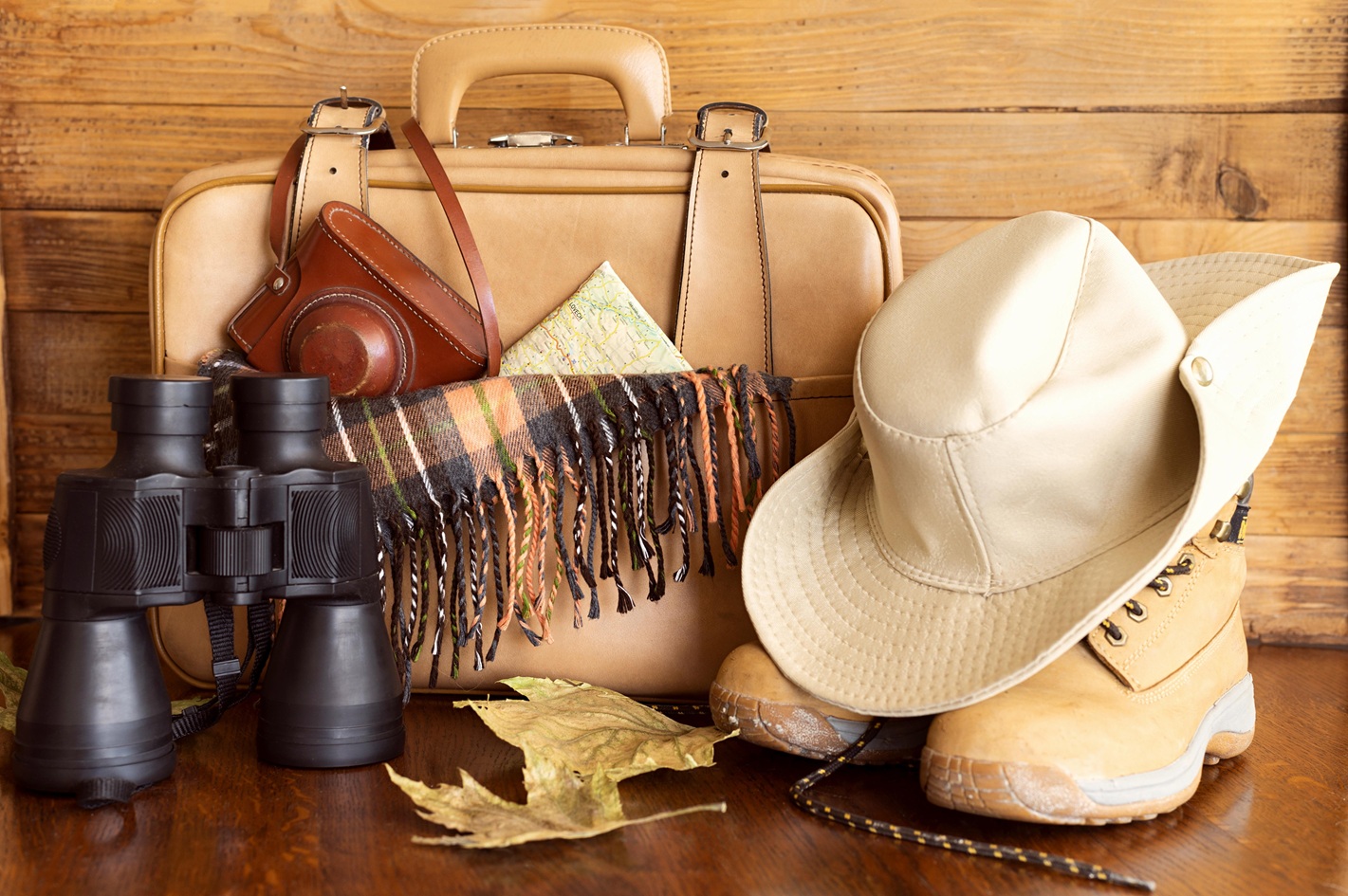
Knowing what to pack can make your safari more comfortable and enjoyable. The good news is that you do not need to bring your entire wardrobe. A few practical essentials are usually enough for an unforgettable adventure in the African wilderness.
Whether you are heading to the Maasai Mara, Amboseli, Tsavo, Serengeti or another safari destination, your packing list should focus on comfort, practicality and protection from the elements.
Lightweight Clothing
Choose comfortable, breathable clothing suitable for warm days and cooler mornings. Neutral colors such as beige, brown, green and khaki are practical for safari environments and help you blend naturally into the surroundings.
Pack several lightweight shirts and trousers, along with comfortable clothing for relaxing at your accommodation after a day of exploration.
A Warm Layer
Early mornings and evenings can be surprisingly cool, especially in elevated destinations. A lightweight jacket, sweater or fleece is therefore a useful addition to your luggage.
Layering is a good approach because temperatures can change considerably between early morning, midday and evening.
Comfortable Shoes
Bring comfortable walking shoes or hiking shoes, particularly if your itinerary includes walking, nature walks or other outdoor activities.
For ordinary game drives, comfortable casual footwear is usually sufficient. If you are planning a mountain trek or hiking adventure, choose footwear specifically designed for the terrain.
Sun Protection
Africa's sunshine can be intense. Pack sunscreen, sunglasses and a wide-brimmed hat to protect yourself during outdoor activities.
A lightweight long-sleeved shirt can also provide additional protection from the sun during extended periods outdoors.
Binoculars
Binoculars can greatly improve your wildlife viewing experience. They allow you to observe animals and birds that may be some distance from the safari vehicle.
Even when animals are visible to the naked eye, binoculars can reveal details that you might otherwise miss.
Camera and Extra Batteries
You will probably want to capture your experience. Bring your camera or smartphone, extra batteries or a power bank, and enough storage for photographs and videos.
If you are serious about wildlife photography, consider carrying additional memory cards, spare batteries and a suitable telephoto lens.
Personal Essentials
Remember your personal toiletries, medication, travel documents, insect repellent and any other items you use regularly.
It is also a good idea to keep important travel documents in a secure and easily accessible place.
A Reusable Water Bottle
Staying hydrated is important during safari. A reusable bottle is convenient and can help reduce unnecessary plastic waste.
Many safari lodges and camps provide drinking water, so carrying your own refillable bottle can be both practical and environmentally responsible.
Small Backpack or Day Bag
A small backpack or day bag is useful for carrying your camera, water, sunscreen, binoculars and other essentials during daily activities.
Insect Repellent
Depending on your destination and season, insects can be present, particularly around areas with water and during evening hours. A good insect repellent is a useful addition to your safari luggage.
Travel Light
Try not to overpack. Depending on your itinerary and transport arrangements, luggage space can sometimes be limited, especially when traveling between destinations by smaller aircraft.
The best safari packing list is one that focuses on comfort, practicality and the specific activities included in your trip.
Ready for Your Safari?
Once your bags are packed, all that remains is to enjoy the journey. From breathtaking landscapes to unforgettable wildlife encounters, Africa offers experiences that stay with you long after you return home.
Planning your next safari? Explore Jungle Jive Adventures and discover exciting destinations and experiences across Africa.
Related Articles
No related articles